Are you unknowingly exposing your children to harmful chemicals during lunch? The food containers you choose matter immensely for biological safety. Many parents rely heavily on traditional plastic bento boxes.
However, medical professionals continually raise alarms about plastic degradation. This article examines the critical scientific differences between plastic and metal. You will learn why stainless steel lunch kits offer superior protection.
We will explore chemical leaching, bacterial resistance, and long-term sustainability. Understanding these concepts empowers you to make informed health decisions. Protect your family by mastering the science of safe food storage.
The Hidden Chemistry of Plastic Lunch Containers
Plastic containers dominate the retail market due to cheap manufacturing costs. Therefore, consumers often overlook their hidden biological hazards entirely. Synthetic polymers present severe health risks during everyday usage.
High temperatures cause severe structural instability in standard plastic polymers. Repeated washing slowly destroys the structural integrity of the container. This degradation directly impacts the food stored inside it.
Understanding BPA, Phthalates, and Microplastics
Manufacturers use synthetic compounds to make plastics flexible and durable. Bisphenol-A (BPA) and phthalates represent the most common industrial additives. Moreover, these chemicals act as known endocrine disruptors in humans.
Endocrine disruptors mimic natural hormones and interfere with cellular development. Children remain especially vulnerable to these synthetic hormone disruptions. Their developing bodies cannot process these artificial industrial chemicals effectively.
In addition, degrading plastics shed tiny particles known as microplastics. These microscopic fragments contaminate the food and enter the human bloodstream. Long-term exposure to microplastics presents serious, compounding health risks.
Thermal Degradation and Chemical Leaching
Heat acts as a powerful catalyst for toxic chemical transfer. When warm food touches plastic, chemical bonds begin breaking down rapidly. Consequently, these dangerous compounds migrate directly into the packaged meal.
Dishwasher cycles accelerate this thermal degradation process significantly over time. The high heat warps the plastic and weakens its molecular structure. You cannot visibly see this microscopic chemical leaching occurring.
Acidic foods like tomatoes or citrus also trigger aggressive chemical leaching. The acid breaks down the plastic surface upon direct physical contact. Therefore, packing healthy fruits inadvertently increases toxic chemical exposure.

Buy Now
The Superior Anatomy of 304 Food-Grade Stainless Steel
Premium metal alloys provide a scientifically superior alternative to plastic. Food-grade stainless steel remains completely inert under extreme environmental conditions. Therefore, it never reacts chemically with your daily meals.
This specific alloy contains chromium and nickel for enhanced durability. These elements create a highly stable, non-reactive physical surface. Industrial kitchens exclusively use this material for strict sanitary reasons.
Complete Chemical Stability
Stainless steel contains absolutely no synthetic polymers or chemical plasticizers. Moreover, it requires no toxic surface coatings to maintain its integrity. You can safely pack hot meals without risking any chemical exposure.
The material structure remains extremely dense and completely impenetrable. It guarantees that no harmful compounds will ever enter your food. This total chemical stability provides ultimate peace of mind.
Unmatched Bacterial Resistance
Plastic develops microscopic abrasions after repeated daily scrubbing and washing. These tiny grooves create perfect breeding grounds for harmful bacterial pathogens. Standard cleaning methods cannot reach inside these microscopic plastic scratches.
However, stainless steel maintains a perfectly smooth, non-porous metallic surface. This characteristic completely prevents bacterial colonization and lingering food odors. You can easily sanitize the metal without damaging the container.
In addition, the metal surface rejects persistent food stains permanently. You can pack heavily spiced foods without ruining the container. The material remains hygienic and pristine after years of use.
Long-Term Sustainability and Environmental Impact
Environmental science strongly supports transitioning away from synthetic polymer storage. Plastic containers degrade rapidly and require very frequent consumer replacement. Therefore, they contribute heavily to global landfill accumulation and pollution.
Every broken plastic container takes hundreds of years to decompose. During this lengthy process, they release toxic microplastics into groundwater. We must address this escalating ecological crisis immediately.
Breaking the Single-Use Waste Cycle
High-quality stainless steel provides exceptional physical durability and structural longevity. It withstands heavy impacts without shattering or losing its shape. Moreover, steel ranks among the most recycled materials globally today.
Choosing metal drastically reduces your household carbon footprint over time. You stop purchasing cheap replacements every single school semester. This sustainable practice protects the environment for future generations.
Investing in premium materials directly reduces industrial plastic manufacturing demand. You actively participate in reducing global chemical pollution levels. It represents a vital step toward sustainable household management.
The Good Kiind Approach to Expert Food Storage
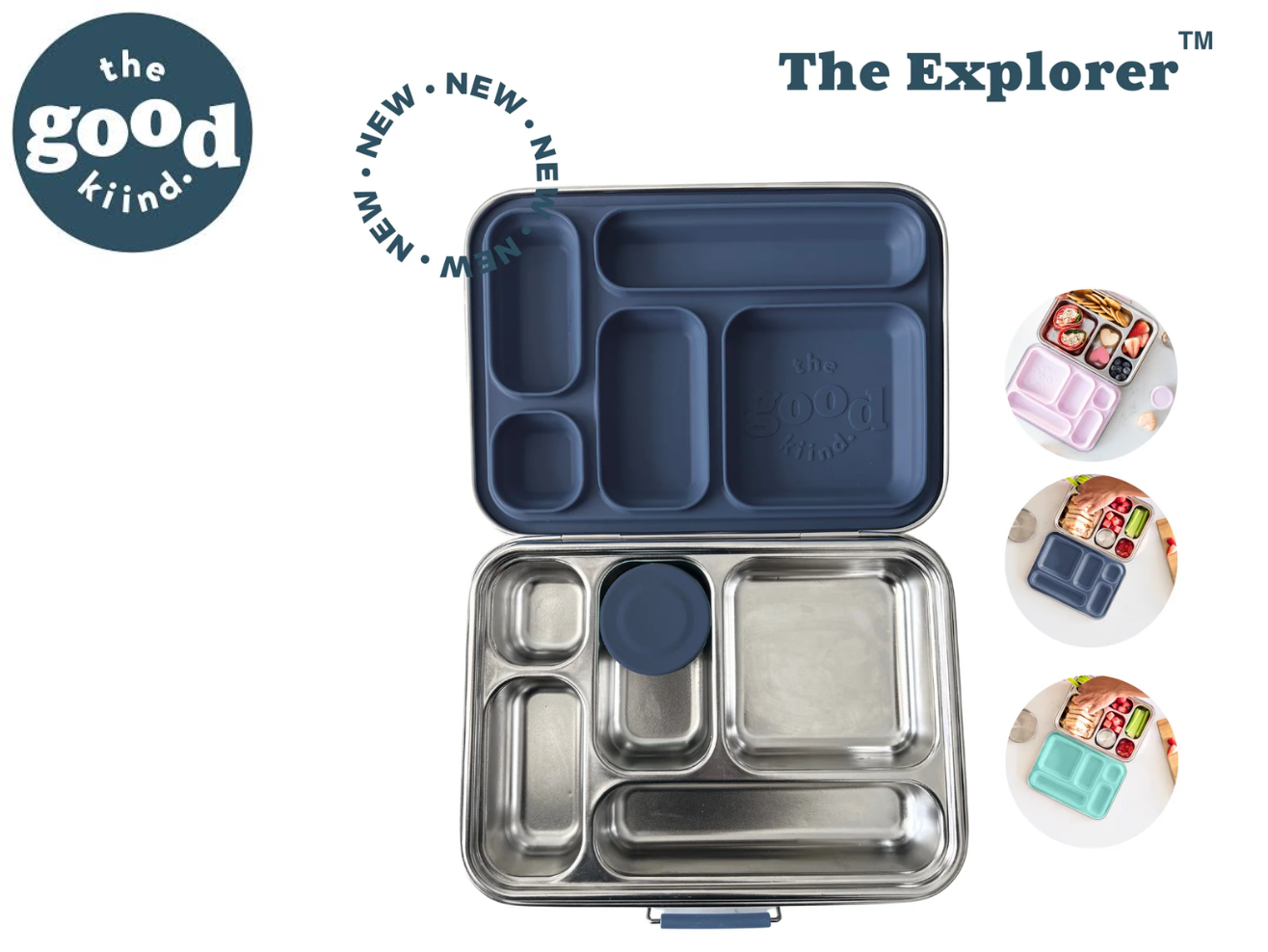
Selecting the right equipment requires prioritizing specialized structural engineering. The Good Kiind developed products based on stringent safety science. Their stainless steel lunch kits utilize pure 304 food-grade metal exclusively.
They eliminate dangerous plastics from the food contact areas completely. In addition, they integrate removable, medical-grade silicone seals for leak prevention. This intelligent design prevents messes without relying on degraded plastic hinges.
Therefore, parents receive a medically safe, structurally sound storage solution. The Good Kiind prioritizes human health through meticulous material selection. Their expert designs survive rigorous daily use while protecting childhood nutrition.
These premium containers bridge the gap between safety and daily convenience. You do not have to sacrifice practicality to achieve chemical safety. They offer the ultimate solution for health-conscious modern families.
Frequently Asked Questions
Are stainless steel lunch kits safe for daily use?
Yes. Food-grade stainless steel is completely non-toxic and structurally inert. It contains absolutely no synthetic chemicals that can leach into food.
Why is 304 stainless steel better than plastic?
This specific premium alloy resists rust and prevents bacterial growth permanently. Moreover, it remains chemically stable when exposed to extreme heat.
Do metal lunch boxes alter the taste of food?
No. High-quality stainless steel is non-reactive and highly non-porous. Therefore, it never absorbs or transfers residual flavors between different meals.
Can microplastics leach into cold food items?
Yes. While heat accelerates leaching, acidic foods also degrade plastics quickly. Stainless steel eliminates this dangerous microplastic exposure completely.
How long do stainless steel containers typically last?
Premium metal containers easily last for several consecutive years. In addition, their extreme physical durability prevents cracking and warping.
Is food-grade silicone safe for meal storage?
Yes. Medical-grade silicone contains no BPA, lead, or toxic phthalates. It provides a safe, flexible seal without leaching dangerous industrial chemicals.
Conclusion
Scientific evidence clearly highlights the severe dangers of plastic food storage. Protecting your family requires eliminating unnecessary chemical exposure immediately. Therefore, transitioning to inert metal containers represents a vital health decision.
You must prioritize materials that guarantee absolute biological safety. Moreover, durable products reduce environmental waste and long-term financial costs. Premium metal storage transforms how you protect your daily nutrition.
Evaluate your current storage methods and consider expert-engineered hygienic alternatives. Take action today to remove toxic plastics from your kitchen routine. Explore the premium collection at The Good Kiind to learn more.