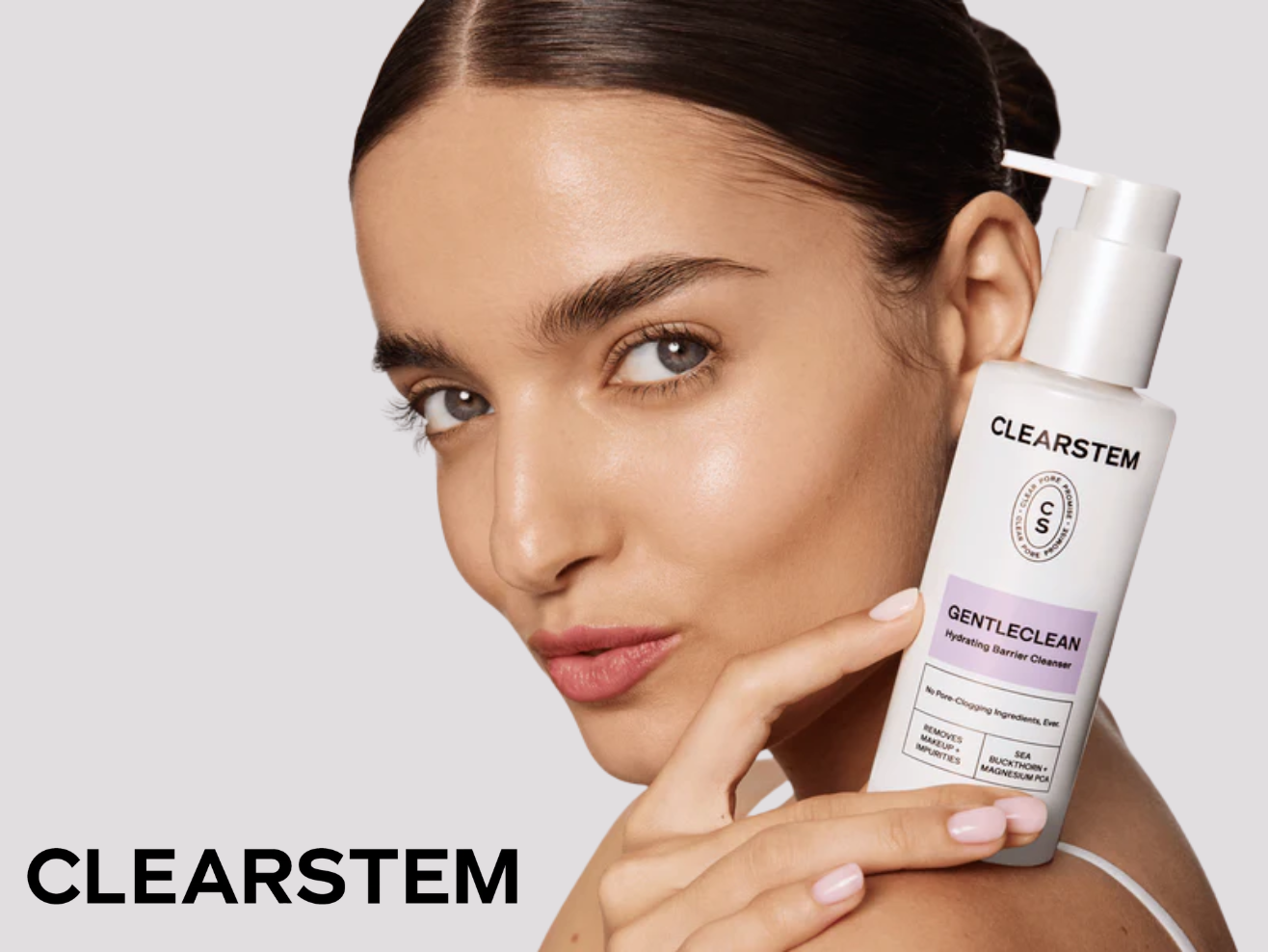
You carefully wash your face twice a day. You invest in premium moisturizers and spot treatments. Yet, painful cysts continue to surface along your jawline and cheeks. If this sounds familiar, you are likely dealing with hormonal acne. This specific type of breakout rarely responds to basic surface-level treatments.
Treating hormonal acne effectively requires a deep understanding of human physiology and skincare chemistry. You cannot scrub away a problem that originates inside your endocrine system. Furthermore, you cannot heal your skin barrier while simultaneously coating it in hidden pore-clogging ingredients.
This guide breaks down the clinical reality of adult breakouts. We will analyze the internal mechanisms that trigger acne, expose the external factors making it worse, and provide a scientifically backed framework for achieving permanently clear skin.
Understanding the Science of Breakouts
Acne is not simply a hygiene issue. It is a complex inflammatory disease of the pilosebaceous unit. This unit consists of your hair follicle and the attached sebaceous (oil) gland.
When your skin functions normally, sebum travels up the hair follicle to moisturize your face. Dead skin cells naturally slough off and wash away. However, for acne-prone individuals, this process malfunctions completely.
Your sebaceous glands overproduce thick oil. Simultaneously, dead skin cells become sticky and trap themselves inside the follicle. This creates a microscopic plug. Oxygen can no longer enter the pore, creating the perfect breeding ground for acne-causing bacteria. Inflammation rapidly follows, resulting in a painful, swollen cyst.
Internal Triggers: What Happens Inside Your Body
To stop this chain reaction, you must identify what causes the sebaceous glands to overproduce oil in the first place. The primary culprits almost always stem from internal imbalances.
The Role of Androgens and Sebum
Hormonal fluctuations drive the majority of adult acne cases. Specifically, male hormones called androgens dictate your skin's oil production. Both men and women produce androgens like testosterone.
When androgen levels spike, they bind to receptors in your sebaceous glands. This commands the glands to produce massive amounts of thick, sticky sebum. These hormonal spikes often correlate with menstrual cycles, periods of high stress, or specific endocrine disorders. Managing this internal signal is vital for long-term clarity.
Digestive Health and Liver Function
Your skin acts as a mirror for your internal organ function. Your liver is responsible for filtering toxins and metabolizing excess hormones out of your bloodstream. If your liver becomes overwhelmed, those excess hormones remain in circulation and trigger breakouts.
Similarly, poor gut health creates systemic inflammation. When your microbiome lacks balance, it severely impairs your body's ability to process nutrients and eliminate waste. Supporting your liver and digestive tract is a mandatory step in any clinical acne treatment plan.
External Triggers: The Danger of Pore-Cloggers
While internal hormones dictate oil production, external factors determine whether that oil actually becomes a pimple. What you put on your face matters immensely.
Identifying Hidden Comedogenic Ingredients
A comedogenic ingredient is any substance that physically blocks your hair follicles. The beauty industry frequently uses heavy waxes, cheap oils, and thick emollients to make products feel luxurious.
Ingredients like isopropyl myristate, algae extract, and coconut oil trap dead skin cells inside the pore. Even if you balance your hormones perfectly, coating your face in these substances will guarantee chronic breakouts. You must meticulously audit every lotion, makeup, and sunscreen you apply to your face.
The Myth of "Acne-Safe" Labels
You cannot trust front-facing marketing labels. Terms like "non-comedogenic" and "dermatologist-tested" are entirely unregulated by the FDA. A brand can legally print "acne-safe" on a bottle of pure pore-clogging oil.
The only way to protect your skin is to read the exact ingredient list on the back of the bottle. Learning to identify and avoid chemical pore-cloggers is the most critical skill you can develop for your skin health.
A Clinical Framework for Clearing Your Skin
Addressing hormonal acne requires a dual-action approach. You must regulate your internal environment while simultaneously optimizing your topical routine.
Internal Support with MINDBODYSKIN
Since you cannot treat hormonal acne with surface creams alone, internal supplementation becomes necessary. The MINDBODYSKIN hormonal acne supplement takes a comprehensive, clinical approach to systemic breakouts.
Instead of just targeting one pathway, this formulation addresses the entire acne cycle. It utilizes targeted vitamins and botanicals to support liver detoxification and regulate hormonal fluctuations. Aiding your body's natural digestive and filtration processes, it significantly reduces the amount of sebum your skin produces.
Gentle Exfoliation with CLEARITY
Once you manage the internal triggers, you must keep the physical pore completely clear of dead skin cells. However, aggressive physical scrubs only spread bacteria and destroy your acid mantle.
Chemical exfoliation offers a much safer, more effective solution. The CLEARITY exfoliating serum utilizes a highly specific blend of mandelic acid and vitamin C. Mandelic acid features a larger molecular structure, allowing it to dissolve the sticky bonds between dead skin cells without penetrating too deeply and causing irritation. It gently dissolves the microscopic plugs before they ever form a visible pimple.
Frequently Asked Questions
What exactly is hormonal acne?
Hormonal acne is driven by fluctuations in androgens, which cause your sebaceous glands to overproduce oil. It typically presents as deep, painful cysts along the lower third of the face.
How do I know if my skincare has pore-cloggers?
You must cross-reference the ingredient list on the back of the bottle with a clinical pore-clogging ingredient database. Do not rely on marketing claims on the front label.
Does diet actually affect hormonal acne?
Yes. High-glycemic foods and certain dairy products can spike insulin levels. This insulin spike triggers a corresponding increase in androgen production, leading to more oil and breakouts.
How does mandelic acid help acne-prone skin?
Mandelic acid gently dissolves the glue holding dead skin cells together. Because it absorbs slowly, it prevents pores from clogging without causing the redness associated with harsher acids.
Can stress cause jawline breakouts?
Absolutely. Chronic stress elevates cortisol levels, which subsequently disrupts your entire endocrine system and can trigger massive spikes in acne-causing androgens.
Taking Control of Your Skin Health
Hormonal acne is a complex medical issue, but it is entirely solvable. When you stop relying on harsh spot treatments and begin addressing the actual biological root causes, your skin will transform.
True clarity requires clinical discipline. You must protect your follicles from external pore-cloggers while supporting your liver and endocrine system internally. By combining internal regulation with intelligent, non-comedogenic topical care, you can finally break the cycle of chronic breakouts. Explore the CLEARSTEM collection to find the exact clinical formulations needed to support your journey to permanent skin health.