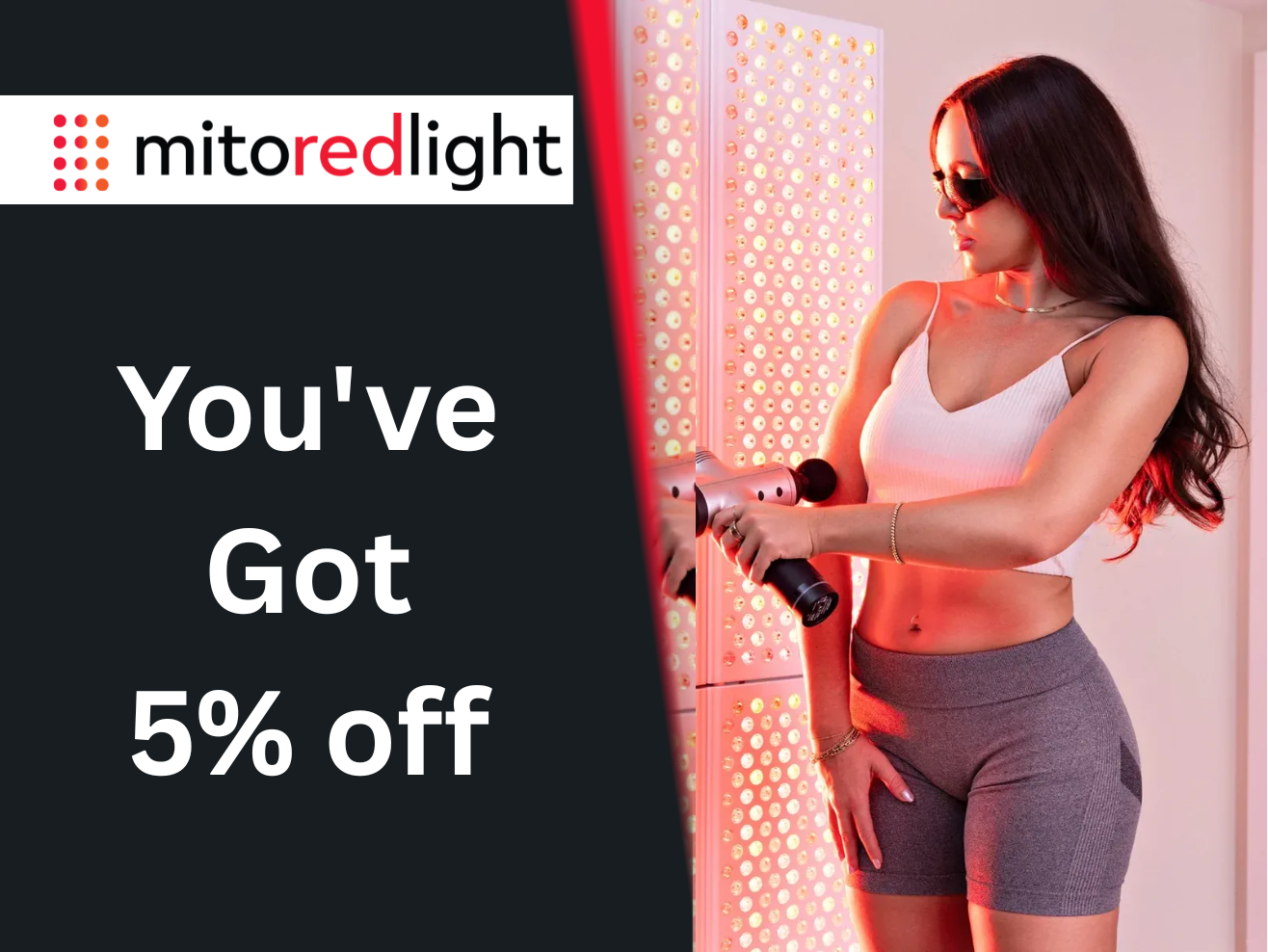
You might have seen them on social media feeds of professional athletes, in the offices of progressive dermatologists, or perhaps in the background of a health podcast. Glowing red panels are becoming a staple in the wellness world. But beyond the futuristic aesthetic, what is actually happening when you stand in front of one? Is it just a warm light, or is something deeper occurring at a cellular level?
Red light therapy, scientifically known as photobiomodulation (PBM), is rapidly moving from niche biohacking circles into mainstream health conversations. It is not magic; it is biology. Just as plants rely on sunlight to create energy through photosynthesis, the human body has a specific capacity to absorb light and convert it into cellular fuel. This guide will demystify the science behind the glow, explaining how it works, who it helps, and how devices like those from Mito Red Light are setting the standard for at-home treatment.
The Science: How Light Fuels Your Cells
To understand red light therapy, you have to look inside the cell—specifically at the mitochondria. Often called the "powerhouse of the cell," mitochondria are responsible for producing adenosine triphosphate (ATP), the energy currency that powers everything your body does, from muscle contraction to brain function.
When cells are stressed—due to aging, illness, injury, or environmental toxins—mitochondrial function declines. They produce less energy and more free radicals, leading to oxidative stress and inflammation. This is where red light therapy steps in.
The Mechanism of Action
Specific wavelengths of light, typically in the red (630nm–660nm) and near-infrared (810nm–850nm) spectrums, are capable of penetrating the skin.
-
Absorption: The light is absorbed by a photoreceptor within the mitochondria called cytochrome c oxidase.
-
Reaction: This absorption helps dislodge nitric oxide, a molecule that can gum up the works and inhibit energy production.
-
Result: With the nitric oxide removed, the mitochondria can process oxygen more efficiently, leading to a surge in ATP production.
In simpler terms, red light therapy helps your body’s cells work more like they did when they were younger and healthier. It gives them the energy they need to repair, regenerate, and function optimally.
Key Benefits: Why People Use Red Light Therapy
The reason PBM has such a wide range of applications is that it targets the fundamental unit of life: the cell. Because mitochondria are found in almost every cell type (except red blood cells), the benefits are systemic.
1. Skin Health and Anti-Aging
This is perhaps the most well-known application. Red light boosts collagen and elastin production, the proteins responsible for skin firmness and elasticity. Regular use can reduce the appearance of fine lines, wrinkles, and sun damage. It is also widely used to accelerate wound healing and reduce scarring.
2. Muscle Recovery and Athletic Performance
Elite athletes use red light therapy to speed up recovery after intense training. By reducing inflammation and oxidative stress in muscle tissue, PBM helps athletes return to peak performance faster. It can also be used before exercise to "prime" the muscles, potentially preventing fatigue.
3. Pain and Inflammation Management
Near-infrared (NIR) light penetrates deeper than red light, reaching muscles, joints, and even bone. This makes it a powerful tool for managing chronic conditions like arthritis, tendinitis, and general joint pain. It works by reducing the inflammatory markers that cause pain, offering a non-drug alternative for relief.
4. Sleep and Circadian Rhythm
Unlike blue light from screens, which disrupts sleep, red light has a low color temperature that is soothing to the eyes and brain. Using red light in the evening can help signal the body that it is time to wind down, supporting healthy melatonin production and better sleep quality.
Red vs. Near-Infrared: What’s the Difference?
When shopping for a device, you will often see these two terms. It is important to know the difference.
-
Red Light (600nm – 700nm): This light is visible. It is best absorbed by the skin layers. It is ideal for surface-level concerns like anti-aging, acne, wound healing, and hair growth.
-
Near-Infrared Light (800nm – 900nm): This light is invisible to the human eye. It penetrates deeper into the body. It is the wavelength of choice for deep tissue issues, muscle recovery, joint pain, and even brain health.
Most comprehensive devices, like the MitoPRO+ series, emit both types of light simultaneously to provide full-body benefits.
What Makes a Device Effective?
Not all red lights are created equal. A red-tinted light bulb from a party store will not have the same biological effect as a medical-grade device. To get results, three factors matter:
1. Wavelength Accuracy
The light must be within the specific therapeutic window. If a device emits light at 610nm when you need 660nm, you may not get the absorption you are looking for. Mito Red Light panels are third-party tested to ensure they deliver precise therapeutic wavelengths (e.g., 630nm, 660nm, 810nm, 830nm, 850nm).
2. Irradiance (Power)
This refers to the intensity of the light hitting your skin, measured in milliwatts per square centimeter (mW/cm²). If the light is too weak, it won't penetrate deeply enough or trigger the mitochondrial response in a reasonable amount of time. High-power devices like the MitoPRO X ensure you receive a clinical dose in just 10–20 minutes.
3. Low EMF and Flicker-Free
Because you are standing close to these devices, safety is paramount. Quality manufacturers engineer their panels to emit extremely low Electromagnetic Fields (EMF) and eliminate invisible flicker, which can be stressful to the nervous system.
How to Get Started: A Beginner’s Routine
Starting red light therapy is simple, but consistency is key. You cannot do one session and expect a miracle; it is cumulative, like exercise or a healthy diet.
-
Distance: Position yourself 6 to 12 inches away from the panel. This is typically the "sweet spot" for irradiance.
-
Duration: Start with short sessions, around 5 to 10 minutes per area. You can gradually work up to 15–20 minutes as your body adapts.
-
Frequency: Aim for 3 to 5 times per week. Daily use is safe and effective, but give your body a break if you notice any detox-like symptoms (mild fatigue or redness), which are rare but possible.
-
Clothing: Light cannot penetrate clothing effectively. Expose the skin you want to treat directly to the light.
Choosing Your First Device
For those new to the practice, the variety of options can be daunting.
-
For Targeted Relief: If you have a specific injury, like a bad knee or lower back pain, a wearable like the MitoQUAD Belt allows you to apply high-intensity light directly to the source of the pain while you relax.
-
For Facial Care: If your primary goal is skincare, the MitoGLOW Mask offers a convenient, hands-free way to treat the face without setting up a large panel.
-
For General Wellness: A panel offers the most versatility. A mid-sized panel like the MitoPRO+ 300 is an excellent entry point, large enough to treat half the body at once but small enough to fit in an apartment.
A Bright Future for Your Health
Red light therapy represents a shift in how we approach wellness. It is a move away from masking symptoms and toward supporting the body’s innate ability to heal and energize itself. By feeding your cells the light they crave, you are investing in your foundational health.
As you explore this modality, quality matters. Brands like Mito Red Light have bridged the gap between expensive clinical treatments and home use, providing safe, powerful, and effective tools for everyone. Whether you are an athlete chasing a personal best or simply someone wanting to feel more vibrant and less stiff in the mornings, the science of light offers a promising path forward.
Curious to see how red light therapy fits into your home?

Explore the Educational Resources and Product Guide at Mito Red Light
Frequently Asked Questions (FAQ)
Is red light therapy safe?
Yes, red light therapy is considered non-invasive and safe for most people. Unlike UV light from the sun or tanning beds, it does not contain ionizing radiation and will not burn the skin or cause cancer. However, if you have photosensitivity conditions or are taking medication that increases light sensitivity, consult a doctor first.
How long does it take to see results?
This varies by person and condition. For acute muscle recovery, you might feel relief after just one or two sessions. For skin concerns like wrinkles or acne, it typically takes 4 to 8 weeks of consistent use to see visible changes as collagen rebuilds.
Do I need to wear eye protection?
While red light is generally safe for eyes (and can even be beneficial in low doses), the high intensity of modern LED panels can be uncomfortably bright. It is recommended to wear the blackout goggles provided with your device, especially during facial treatments or if you have sensitive eyes.
Can I overuse red light therapy?
More is not always better. There is a "biphasic dose response" in light therapy, meaning there is an optimal window of treatment. Using the light for too long (e.g., over 30 minutes in one spot) can diminish the benefits. Stick to the recommended 10–20 minute sessions.
Does red light therapy generate heat?
LEDs are very efficient and emit very little heat compared to old-school incandescent bulbs. You might feel a gentle, soothing warmth due to the intense light absorption and increased circulation, but the device should never burn you.
